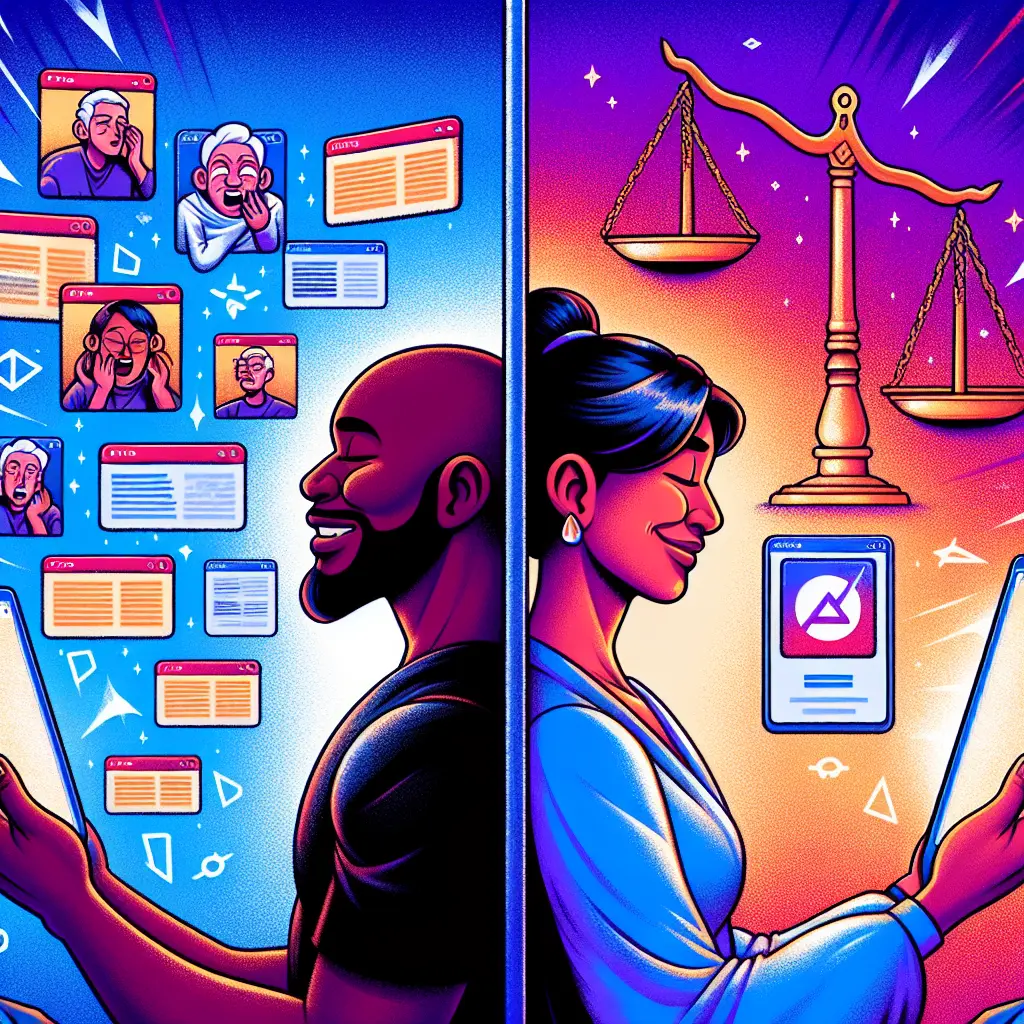
In today's digital landscape, the ethics of ad blockers remain a hotly contested topic, driven by a dynamic interplay between consumer rights, user privacy, and the financial ecosystem of digital content. This multifaceted debate raises significant questions about the ethical implications of ad blocking in shaping our online experiences.
The Ethical Implications of Ad Blocking: A Double-Edged Sword
Ad blockers provide a powerful tool for users seeking to enhance their online experience by eliminating intrusive ads. However, the ethical use of ad blockers is not without controversy. Users argue for their right to control what they see online, emphasizing their preference for privacy and a seamless browsing experience. Conversely, advertisers and content creators depend on ad revenues to sustain free content, leading to ethical dilemmas in ad blocking.
Recent developments highlight these tensions. For instance, Google's decision to phase out third-party cookies through its Privacy Sandbox initiative marks a pivotal change in balancing user privacy with digital advertising ethics. This move aims to limit tracking but also challenges how advertisers can effectively reach their audience.
Case Study: Meta's Ad-Free Plans and EU Regulations
Meta's recent attempts to introduce subscription-based ad-free plans have sparked regulatory backlash in the European Union. As reported by Ars Technica, the European Commission criticized Meta's plans for potentially confusing users, citing possible sanctions if consumer laws are breached. This incident underscores the ethical concerns with ad blocking, particularly regarding user transparency and consent.
The EU's intervention illustrates a broader trend: regulatory bodies stepping up to protect consumer rights in an evolving digital landscape. This raises questions about how companies can ethically navigate ad blockers and user privacy while respecting user autonomy.
YouTube's Experiment with Less Disruptive Ads
The ad blocking controversy extends to platforms like YouTube, which recently began testing less disruptive mid-roll ads. According to TechCrunch, this experiment aims to reduce user irritation while maintaining advertiser visibility. Such initiatives exemplify efforts to balance ethics and ad blocking by minimizing disruption and enhancing user experience.
Ad Blockers and the Challenge of Consumer Rights
Consumer rights and ad blockers are intertwined with the broader discourse on digital advertising ethics. A striking example is Google's recent policy change impacting extensions like uBlock Origin. As reported by ZDNet, Google's shift from Manifest V2 to V3 effectively disabled popular ad blockers, leaving millions vulnerable to intrusive ads. This move has reignited debates over consumer rights and the role of tech giants in shaping online experiences.
Apple's Distraction Control: A New Frontier in Ad Blocking
Apple's introduction of the Distraction Control feature in Safari reflects another dimension of the ethical use of ad blockers. As detailed by Macworld, this feature allows users greater control over webpage elements, potentially reducing exposure to unwanted content. This development highlights how tech companies are responding to consumer demand for more personalized and distraction-free browsing.
Ethical Dilemmas in Ad Blocking: Navigating Complex Interactions
The impact of ad blockers on advertisers is a critical component of this debate. Advertisers contend that ads are essential for funding free content; thus, widespread ad blocking threatens their financial viability. This tension is further complicated by revelations involving Google and Meta employees targeting ads towards teens, as reported by The Guardian.
These incidents underscore the moral considerations of ad blockers, prompting essential discussions about transparency, consent, and ethical advertising practices. As digital advertising evolves, so too must our understanding of its ethical dimensions.
The Future of Digital Advertising and Consumer Rights
As we continue to explore the ethics of ad blockers, it's crucial to consider how these tools shape our digital world. The ongoing developments around the ad blocker ethics debate highlight a need for balanced solutions that respect user preferences while supporting content creators.
The future of digital advertising may depend on innovative strategies that prioritize transparency, consent, and respect for consumer rights. By addressing these ethical concerns with ad blocking head-on, we can foster an online environment that benefits both users and advertisers.
Conclusion: A Call for Ethical Reflection
In summary, the ethics surrounding ad blockers present a multifaceted debate that continues to evolve in today's digital age. Key considerations include:
- Consumer Rights and Privacy: Ad blockers offer users enhanced privacy and control over their browsing experience. However, they also challenge the financial models that support free online content.
- Regulatory Challenges: Initiatives like Meta's subscription-based ad-free plans face scrutiny, highlighting the role of regulatory bodies in safeguarding consumer rights and ensuring transparency.
- Innovative Approaches: Platforms like YouTube are exploring less disruptive ad formats to balance user experience with advertising needs, showcasing the ongoing search for ethical solutions.
- Tech Giants' Influence: Changes like Google's shift from Manifest V2 to V3 impact popular ad blockers, sparking discussions on consumer rights and tech giants' power in shaping digital experiences.
- Emerging Features: Apple's Distraction Control in Safari emphasizes the demand for personalized browsing, marking a new frontier in user-controlled content interaction.
As we continue to grapple with these ethical dilemmas, it is essential to foster dialogue and collaboration among consumers, content creators, advertisers, and regulatory bodies. The future of digital advertising will likely rely on innovative solutions that respect user preferences while supporting content creators' financial sustainability.
I invite you to reflect on your own experiences with ad blockers. How do you navigate the balance between privacy and supporting free content? Share your thoughts and insights in the comments below, and let's continue this important conversation.
Author: Claire Thompson